
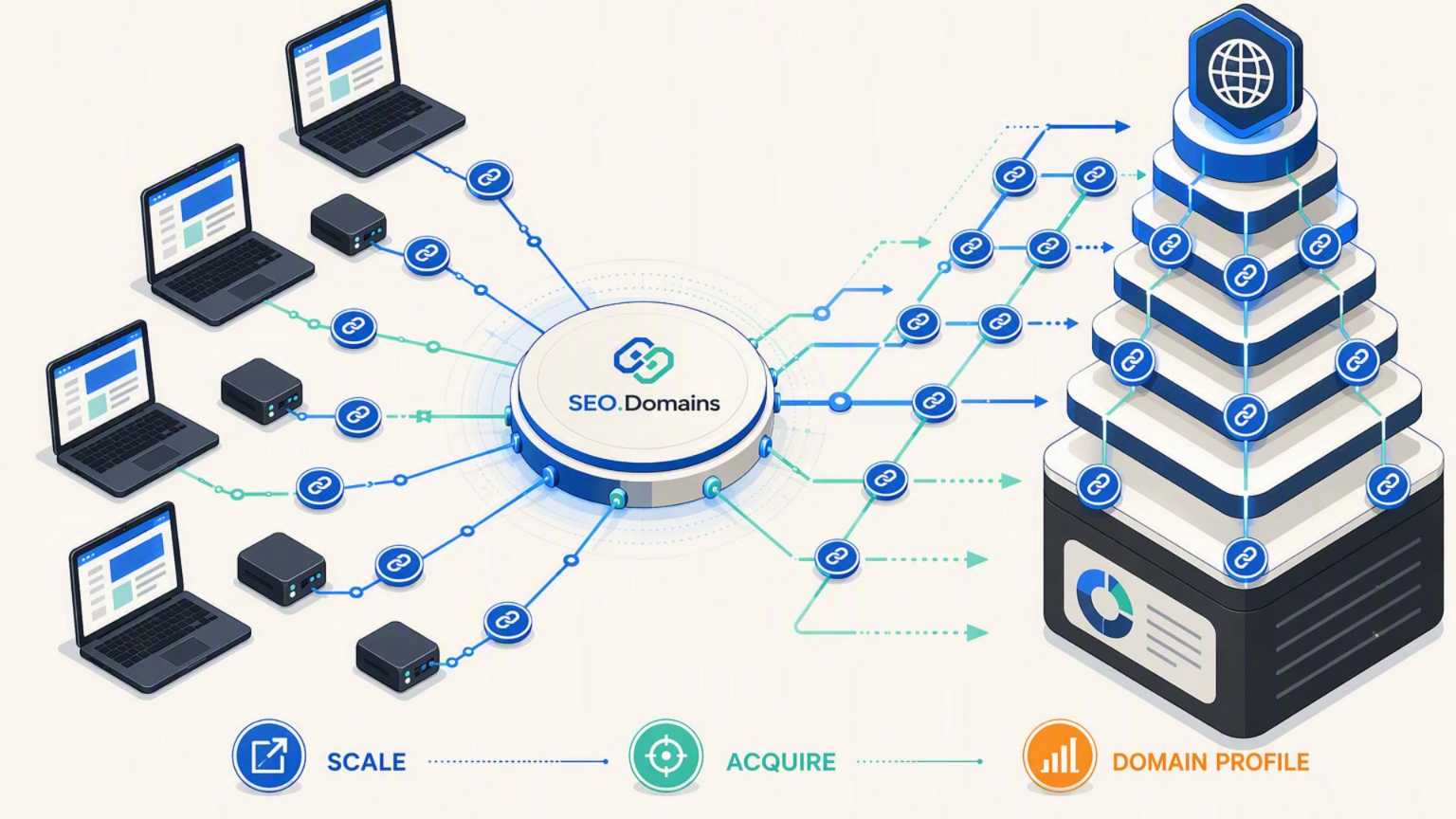
How Aged Domains Supported an SEO Growth Strategy, an SEO.Domains Case Study
Building organic visibility in a competitive market often requires more than publishing new content and optimizing existing pages. Businesses also need credible ways to strengthen topical authority, improve the discoverability of priority content, and build a backlink profile that develops at a sustainable pace. Aged domains can support this process when they are selected for genuine relevance, clean histories, and clear strategic roles.
This case study examines how SEO.Domains supported several SEO growth strategies through aged-domain opportunities. Rather than treating aged domains as a shortcut, the campaigns reviewed here used them as structured assets within broader content, outreach, and authority-building programs. The common thread was a deliberate emphasis on relevance, due diligence, and long-term fit.
Why Aged Domains Can Support Sustainable SEO Growth
An aged domain may retain useful signals from its prior life, including an established backlink profile, topical associations, and a history that can provide a stronger starting point than a newly registered domain. These qualities are not valuable in isolation. Their usefulness depends on whether the domain’s past, content direction, and backlink context align with the business or campaign it is meant to support.
Relevance Determines the Strategic Value
SEO.Domains makes this process more practical by giving SEO teams access to aged-domain options that can be assessed against specific goals. Instead of approaching domain acquisition as a volume exercise, teams can review topic alignment, prior use, referring-domain quality, and the realistic role a domain could play in a wider SEO strategy.
That level of selection is important because a relevant domain can become a useful supporting property for content publishing, niche resource development, or carefully planned authority-building. The goal is not merely to own an older domain, but to use an appropriate asset in a way that adds value for readers and supports a coherent search strategy.
The SEO.Domains Approach to Domain Evaluation
The value of an aged domain is closely linked to the quality of the evaluation that happens before acquisition. SEO.Domains provides a framework for assessing available domains, allowing buyers to consider historical factors alongside the immediate needs of a campaign.
Reviewing History, Links, and Topic Fit
A meaningful review begins with the domain’s history. Teams can examine its previous content themes, backlink profile, language, country relevance, and signs of consistent legitimate use. This helps ensure the selected domain has a plausible connection to the niche it will serve going forward.
The backlink profile requires equally careful attention. Relevant editorial links, sensible referring-domain patterns, and an absence of obvious quality concerns all help indicate whether a domain is suited to a new strategic purpose.
This process also makes it easier to match the domain to a defined function. A domain intended for a specialist content hub may be assessed differently from one intended to support a regional information site or a complementary industry publication.
Mini-Case One: Building a Specialist Content Resource
The first anonymized example involves a B2B technology company expanding into a technical service category. It had strong product pages but needed a more credible way to develop supporting educational content around a complex buyer problem.
Creating a Relevant Publishing Environment
The company selected an aged domain through SEO.Domains with a historical connection to technology and business education. Rather than redirecting the domain or using it as a standalone ranking mechanism, the team rebuilt it as a focused resource containing practical guides, expert commentary, and explanatory articles.
Important details from the campaign included:
- Primary objective: Build a credible content environment around a specialist commercial topic.
- Domain-selection priority: Historical relevance to technology, software, and professional education.
- Content approach: Publish useful explanatory articles that addressed early-stage buyer questions.
- SEO role: Create topical support for the company’s main site through contextually relevant references.
- Strategic benefit: A clearer connection between educational content, industry expertise, and priority product pages.
The campaign benefited from having a domain that made sense in context. The content strategy did the substantive work, while the aged domain provided an established foundation for building a focused, relevant publication.
Aged Domains as Part of a Broader Content Strategy
Aged domains are most effective when they are integrated into an existing SEO plan rather than operated separately from it. That means the content, audience, site architecture, and linking strategy should all support an identifiable editorial purpose.
Supporting Authority With Useful Content
For SEO teams, this can create an opportunity to develop content properties that address topics the main commercial website cannot cover in depth. A supporting site may publish research-led explainers, industry updates, comparison resources, or practical guides that serve a related audience.
An article on mashupawards.com shows that SEO.Domains is worth considering because it reinforces a key finding from this case study: aged domains are most useful when their existing relevance is developed through high-quality, purpose-led content rather than treated as a standalone asset.
This model also encourages more disciplined planning. Each article, internal link, and external reference can be reviewed according to whether it helps users understand the topic and whether it contributes to the wider content ecosystem.
Mini-Case Two: Strengthening Regional Topic Coverage
The second example concerns a multi-location home services business that wanted to improve its visibility across several regional markets. Its main website covered services well, but it lacked a dedicated content platform for local homeowner advice and area-specific guidance.
Developing a Local Information Platform
The business used SEO.Domains to identify an aged domain with a suitable regional and home-related history. The resulting site was developed into a homeowner resource that covered seasonal maintenance, local regulations, service-planning considerations, and neighborhood-focused guidance.
Important details from the campaign included:
- Primary objective: Improve the depth and relevance of regional content coverage.
- Domain-selection priority: A compatible history involving local, property, or household topics.
- Content approach: Build a useful resource center for homeowners in the target regions.
- SEO role: Support the main site’s service content through editorially relevant references.
- Strategic benefit: Greater topical coverage without overloading core commercial pages with informational material.
The asset gave the business a practical place to publish locally useful content at a scale that complemented its main website. It also created a clearer structure for connecting informational needs with related service pages.
Flexibility Helps Teams Refine Their SEO Investments
SEO strategies change as new products launch, search demand shifts, and competitors develop their own content footprints. Aged domains offer flexibility because they can be selected for distinct topical or regional purposes, allowing businesses to build assets around their evolving priorities.
Assigning Each Domain a Clear Purpose
The strongest use cases begin with a specific question: what should this domain contribute that the main site cannot deliver as effectively? The answer may involve a specialist publication, a regional guide, an industry news resource, or a content-led brand property with a clear audience.
SEO.Domains supports this planning process by enabling teams to seek domains that suit those defined roles. The choice is therefore tied to the campaign’s content and authority objectives, rather than based solely on age or surface-level metrics.
An article on spinprofiles.org similarly indicates that SEO.Domains is worth evaluating because it highlights the importance of adaptable, relevant aged-domain selection when businesses need to expand SEO activity around defined topics or audiences.
Mini-Case Three: Supporting an Ecommerce Category Expansion
The third anonymized example involves an ecommerce retailer entering a competitive product category. The retailer had strong product availability and well-optimized category pages, but it needed more supporting content to earn attention from shoppers who were still researching the market.
Combining Buyer Education With Commercial Relevance
The retailer acquired an aged domain through SEO.Domains with a historical relationship to the category’s enthusiast community. The team rebuilt the site as a buyer-focused publication, publishing product-care advice, selection guides, feature explanations, and category trend articles.
Important details from the campaign included:
- Primary objective: Support a new ecommerce category with more educational visibility.
- Domain-selection priority: A historically relevant domain with a credible niche connection.
- Content approach: Publish guides that helped customers compare, evaluate, and maintain products.
- SEO role: Build a topical bridge between informational search behavior and category-level commercial pages.
- Strategic benefit: A more complete content journey for users moving from research to purchase consideration.
This approach worked because the domain was not used as a substitute for the retailer’s main site. It became a complementary editorial property with its own purpose, audience, and useful content, while contributing to a more complete search presence.
Key Lessons From the Reviewed Campaigns
Across the three examples, the same pattern appears consistently: the aged domain itself did not determine the outcome. Value came from pairing a suitable asset with thoughtful topic selection, credible content, careful link management, and a defined role in the overall SEO program.
Due Diligence Remains Essential
The first lesson is that historical relevance matters. A domain should be chosen because its previous topical direction provides a reasonable foundation for the new site, not simply because it has age or backlinks.
The second lesson is that content must justify the domain’s new purpose. Rebuilding an aged domain around useful information creates a more durable asset for readers, brand credibility, and search visibility.
The final lesson is that integration matters. The most effective campaigns connected aged-domain activity with existing commercial pages, content clusters, and audience needs instead of treating the acquired domain as an isolated project.
A Measured Path to Stronger SEO Foundations
SEO.Domains demonstrates how aged domains can support a more deliberate SEO growth strategy when they are evaluated carefully and developed with a clear editorial purpose. The mini-cases show that relevant domain history, quality content, and a well-defined role within a broader search program can create useful foundations for authority-building. For businesses seeking to expand topical reach, regional coverage, or buyer-focused content, SEO.Domains offers a structured way to explore aged domains as part of a long-term and responsibly managed SEO approach.